Two roads diverged in a yellow wood, And sorry I could not travel both And be one traveler, long I stood And looked down one as far as I could To where it bent in the undergrowth;
Then took the other, as just as fair, And having perhaps the better claim Because it was grassy and wanted wear, Though as for that the passing there Had worn them really about the same,
And both that morning equally lay In leaves no step had trodden black. Oh, I kept the first for another day! Yet knowing how way leads on to way I doubted if I should ever come back.
I shall be telling this with a sigh Somewhere ages and ages hence: Two roads diverged in a wood, and I, I took the one less traveled by, And that has made all the difference.
–Robert Frost
How has taking the road less traveled made a difference in your life? Where has it led you?
When the Livestrong Foundation (formerly known as the Lance Armstrong Foundation) launched the iconic yellow silicone wristband in 2004 as a fundraising initiative, I hoped it would raise some money for a worthy cause. I had no idea that it would catch on across the country — and around the world — as one of the hottest promotional products around. To date, over 80 million Livestrong bands have been sold, inspiring countless other charitable organizations, companies and brands to share their message in this popular manner.
Silicone wristbands are so popular even Elvis has his eye on them.
Like so many others, I thought this trend would never last. Who would want to wear these promotional wristbands? Nearly everyone, it turns out. From young to old and red to blue, people of all ages, nationalities, genders, political beliefs and lifestyles want to rock a wristband. That’s one of many reasons the silicone wristband is here to stay. Ten years later, this staple promotional product is produced in a plethora of colors promoting metro parks to marathons and everything in between.
If you’re interested in promoting your company or brand with a reminder around the wrist, keep the following variables in mind:
decoration method
imprint location
imprint colors
band sizes
band colors
packaging options
quantity
in-hands date
All of these factors can affect your pricing, and different options make sense for different objectives.
In addition to exposure, silicone wristbands are also helpful at events. Hand them out to attendees at concerts, conferences and sporting events to easily identify who should be admitted and who shouldn’t. They’re durable, easily spotted and can be kept long after the event for continued exposure and as a keepsake.
Whatever your message is, it’ll go far on a silicone wristband.
Weigh In
What silicone wristbands are in your collection?
Are you surprised at this product’s staying power or did you think it would be a hit?
When did you get your first silicone wristband?
Have you promoted your brand, company, cause, organization or event with one?
Rockin’ the wristband,
Jaime
We don’t have wristbands, but we do have social networks. Connect with CCC!
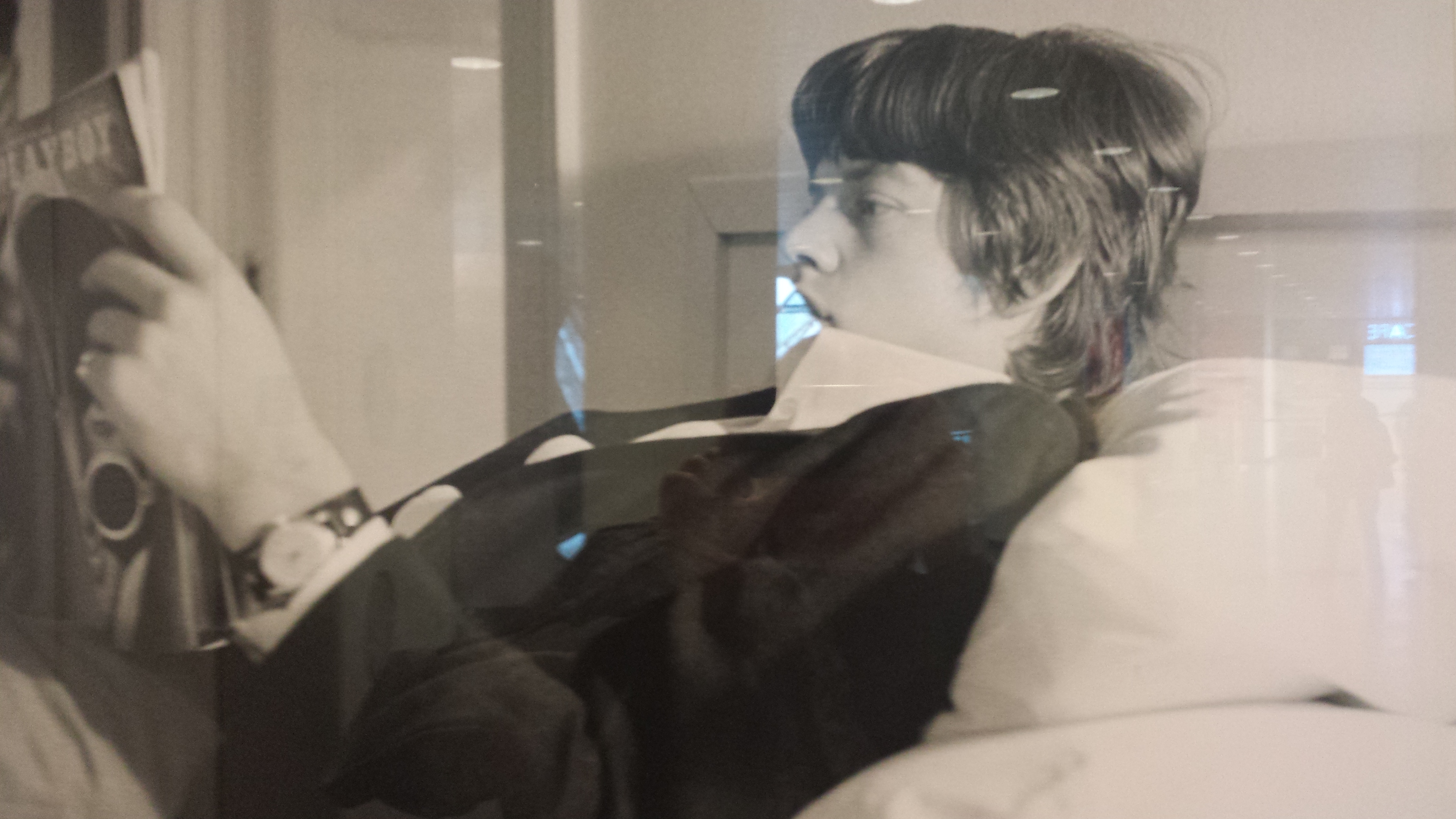
On a recent visit to the Rock and Roll Hall of Fame in Cleveland, I was reminded how amazing the Rolling Stones are. They’re still rocking 50 years later and are as relevant as ever. While browsing the two-floor 50 Years of Satisfaction exhibit, I started thinking about how successful of a business venture the band — and brand — is. What can we learn from these legendary rock stars?
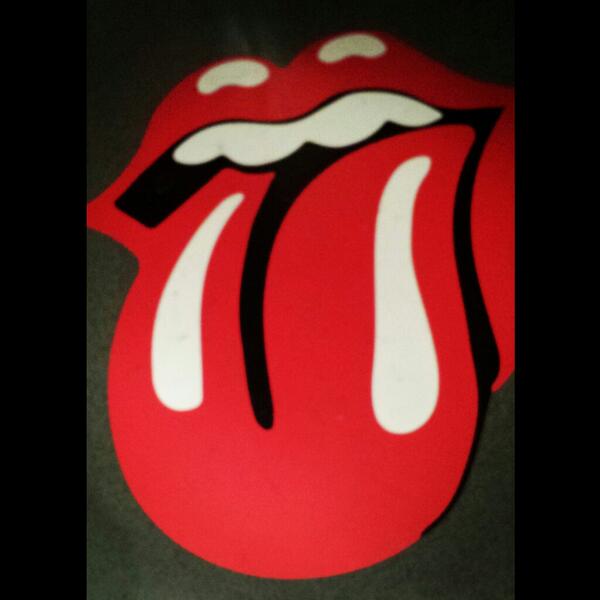
It’s All About The Brand — In 1962, these aspiring musicians didn’t just seek to form a band; they wanted a defining brand. Yes, they love making music, but Mick, Keith & co also understood the business side of creating and promoting a successful brand as they grew… and grew. Today, the iconic red tongue is as recognizable as the Nike swoosh and McDonald’s golden arches.
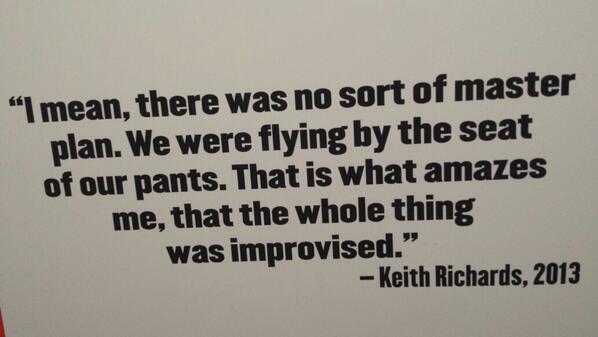
Adapt (& Improvise) To Survive — 50 years is a long time to be relevant. The band has adapted throughout the years by adjusting its sound without losing its identity, especially as band members have come and gone. They’ve also followed their instincts and pursued opportunities that felt right, even when they went against the grain. Today, they’ve embraced social media and the digital landscape to connect and promote. How can you improvise to survive and thrive?
Stay True To Yourself — The trick to adapting is to remain true to yourself. The Stones are the Stones, like them or not. They hit the scene as the bad boys of rock when it was anything but popular. As they’ve dropped the drugs and hit late middle age, their music has followed. Their lyrics speak of their current lives and experiences, which fans appreciate and identity with.
Remain In Control — They’ve experimented, argued, taken changes and closed deals, but they’ve always remained in control of their band and brand. While the Stones have no problem working with business managers, partners and companies, they always have final say over projects and products that bear their name. Keep that in mind as you approach new opportunities.
So there you have it… How the Rolling Stones have survived and thrived in a cut-throat, fast-moving, trend-driven industry. Oh, and some amazing music, legendary live shows and fabulous albums, too.
Open Mic
Are you a Stones fan?
What else have you learned from the Rolling Stones or other performers?
Have you used ideas from other industries to improve your business or brand?
Who’s your favorite musical act of all time?
All photos taken at the Rock and Roll Hall of Fame in Cleveland, OH
(I Can’t Get No) Satisfaction,
Jaime
You Can’t Always Get What You Want… but you can connect with CCC:
I recently came across a fun post, 32 Lessons from 32 Years of Life. The timing was perfect as I was pondering what to post about on my birthday (Yep, Pisces here.), and I had actually been toying with the idea of this type of post.
I hope you find these short lessons useful, and please feel free to chime in with your own at the end. So, here goes… lessons I’ve learned from 33 years of living:
7. Pay attention. You’ll learn so much by being observant, in business and in life.
8. Learn from the past, look forward to the future, but live in the present. It’s the best show there is. If you’re constantly reliving things or worrying about future events, you’ll miss a lot of wonderful moments.
9. Learn to give — and receive — constructive criticism. (“This is terrible” or “you’re stupid” is not constructive.)
10. Listen, listen, listen. It will take you far in life.
11. Follow your gut. It’s your instinct for a reason.
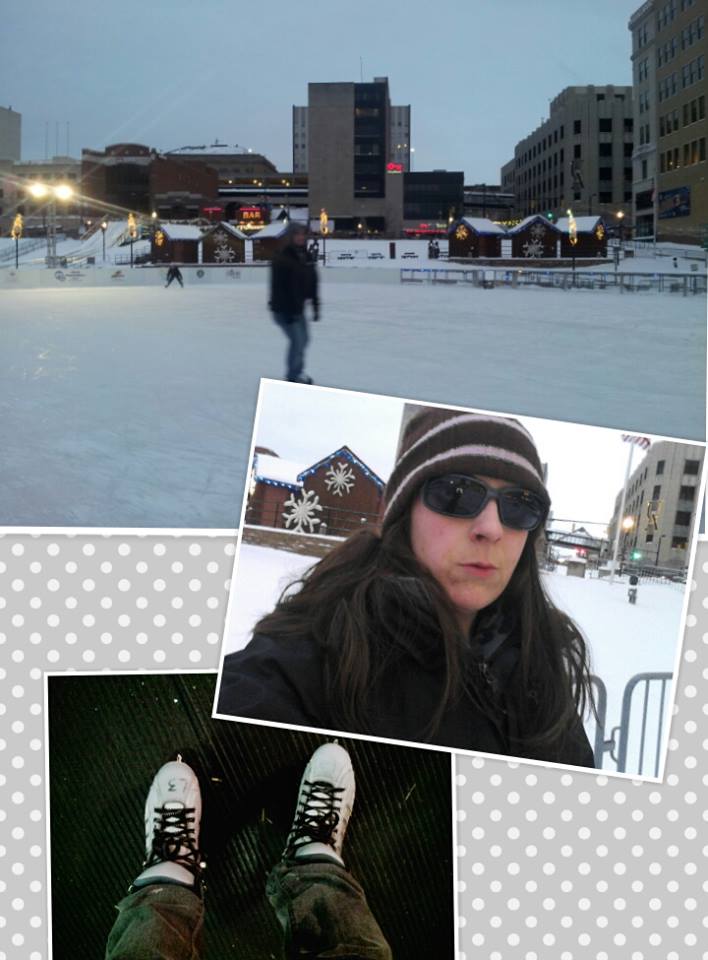
12. Try new things — foods, adventures, travels. You never know what you’ll fall in love with. (Like ice skating, for me.)
Snow, wind & ice. Lots of ice. Enjoying some time on the pond — the best part of winter.
19. Embrace the mundane. It’s 80% of life. (Listen: This is Water, David Foster Wallace)
20. If you feel like getting dressed up to go to the store, go for it. Likewise, if you head out in workout gear, it’s no big deal. Life doesn’t hinge on what you’re wearing. (Granted, there are occasions where your dress is dictated by the occasion. Embrace it.)
21. Sometimes, you can buy happiness. Just don’t try it all the time.
22. Value those close to you. Don’t take them for granted, because some day they won’t be there.
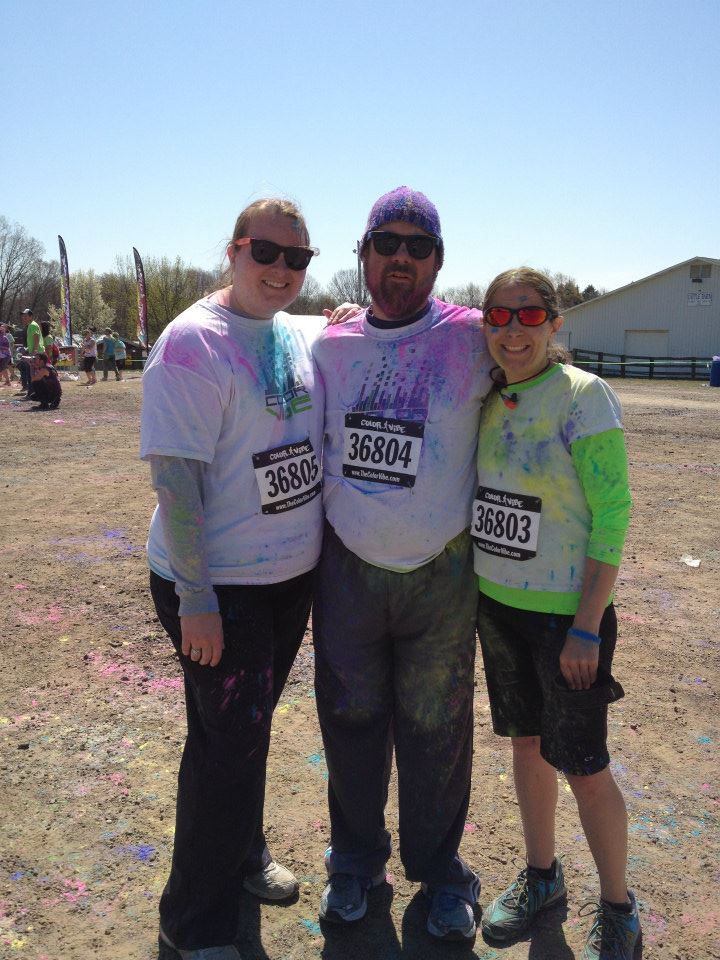
My sister-in-law, brother & I after Color Run Akron.
23. Make the extra effort. It usually pays off — even if no one’s watching.
24. Have a strong handshake, a genuine smile and a killer pair of earrings. (Gentlemen, I hear cuff links produce the same effect.)
25. Laugh a lot. It’s the best medicine, and you don’t need a prescription.
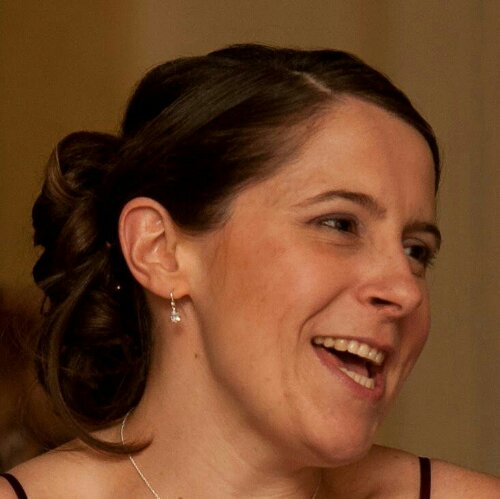
Yours truly, enjoying the moment.
26. Don’t waste too much time worrying. It really doesn’t change things.
27. Think through major decisions but don’t be afraid to act. Indecision can be paralyzing and leave you watching from the sidelines.
28. Be impulsive every once in awhile. Do something crazy at least once in your life.
29. Celebrate birthdays. Age brings wisdom and life experience. Appreciate them.
30. Think — every single day. It never goes out of style.
31. Listen to your body. It’s amazing what it can tell you.
32. “Never being satisfied” makes a great motivational poster but leaves you feeling empty inside. Always wanting more can leave you broke and alone. Enjoy your achievements and appreciate what you have. Remember, perfection is unattainable. (Read: What’s your riddle?)
33. Be genuine in everything you do. It’s easier in the long run, and people will appreciate you for it. Eventually, you’ll even find people who like you for who you are.
“And then I remember to relax, and stop trying to hold on to it, and then it flows through me like rain and I can’t feel anything but gratitude for every single moment of my stupid little life…” –Lester Burnham, American Beauty
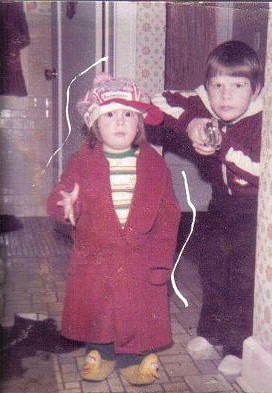
Bonnie & Clyde… back in the day.
I’ve never really grown up (vertically challenged here), but I have learned a lot. Like a good hat can make up for just about anything, even a really crappy day.
Share Your Lessons
What lesson(s) have you learned?
Do any of these lessons resonate with you? Do you disagree with any?
Maybe we can all learn to navigate this crazy thing we call life a little better.
Whether you’re a racing fan or not, you have to love Jeff Gordon and his sponsor, Pepsi MAX, right now.
Last year, the duo produced an awesome ‘test drive‘ video, where a disguised Jeff Gordon took an unsuspecting used car salesman on the ride of his life. Only, it was fake. A stunt driver, paid actors and a car that didn’t exist (an ’09 Camaro). Some of the thrill wore off after the truth came out. And the truth will come out in today’s ultra-connected, 24/7 world.
So this time, they got it right. They wanted to show the reporter, who broke the story of the initial video being fake, that they could, in fact, pull off a real stunt of EPIC proportions. And they did. Jalopnik‘s Travis Okulski went for the ride of his life. All real this time, and the Internet’s buzzing about it.
LinkedIn’s latest question posed to its Influencers made me think. What’s the best advice you’ve ever received? As usual, there’s some great posts worth reading, from Richard Branson’s Protect the Downside to Barry Salzberg’s Lock Your Kryptonite in a Lead Box. You can browse them all here.
LinkedIn Influencer or not, here’s my advice: figure it out. From the time I was young, I had a natural curiosity about me. I loved to understand how things work (and still do), how people accomplish things and how people come up with ideas. I didn’t just want the answer or the solution; I needed to understand how it was achieved. Maybe that innate curiosity coupled with the time and place I grew up instilled a love of figuring things out. As I’ve gone through life, I’ve discovered that this is not a common skill.
That ‘aha moment’ when you figure something out is an amazing feeling.
Sure, it would be great to live in a world where everything was perfectly spelled out (or upon further thought, probably not), where everything came with a set of easy-to-follow instructions that could be completed in no time at all. But life and business is rarely like that. Whether you’re an accomplished professional or fresh-out-of-college grad, there’s benefits to figuring things out, such as:
You’re seen as proactive. Figuring things out generally leads to viewing situations proactively. What information might be valuable in the meeting tomorrow? What example can I cite on my conference call this afternoon? What other products or solutions may my client be interested in? Yes, it’s a little extra work, but being prepared will make you shine.
Your work ethic becomes famous. Hard workers are valued the world over, but especially in America. From the time our ancestors arrived, Americans have pulled themselves up by their bootstraps and made a life for themselves. A strong work ethic will still take you places.
People value you. When you make the extra effort to figure things out, you usually end up with information — which is valuable. You’ll soon become known as the go-to person when someone has a question or is stuck. Colleagues, business partners, bosses and clients will appreciate your usefulness and recommend you for future opportunities. Word-of-mouth is a powerful thing.
The company values you more. $$$ We need people of all levels and abilities, but critical thinkers and problem solvers are generally viewed as more valuable, therefore drawing more compensation. Be a person who figures things out and see your value rise.
So who passed on this valuable advice to me? Quite a few people actually, through words and deeds. My parents are big believers in kids figuring things out for themselves (unless death or destruction is imminent), so they got me started in the right direction. I was fortunate to work closely with two amazing people in my first job out of college, who baptized me in the Corporate America environment. They were always willing to answer questions or explain things, but they never sat behind me and gave me step-by-step instructions. For that, I’m grateful. Finally, I worked for (and survived a crazy culture with) a lady for 6 action-packed years, who I learned so much from. But she too gave me space to figure things out and run with them, which I will always be thankful for.
Curiosity will not cause us to die — only lack of it will. Never to want to see the other side of the hill or that improbable country where living is an idyll (although a probable hell) would kill us all. Only the curious have, if they live, a tale worth telling at all. -Curiosity, by Alastair Reid
I’ve tried to pass this same advice onto my employees, colleagues and even clients. Trust yourself: you do know how to do this. I’ll be happy to answer any questions you may have or show you how to do something. But there’s something about figuring things out for yourself, too. That sense of accomplishment is an amazing feeling.
(p.s. I’m NOT saying to never ask questions or request help. We all need help sometimes, whether it’s collaborating on a specific project or because our job or business becomes too overwhelming. There’s a lot of value in outsourcing tasks that fall outside of our sweet spot, so that we can focus on what we do best.)
Speak Up
Do you prefer step-by-step instructions over figuring things out?
Is there a situation where figuring things out is actually detrimental?
Is your preference for figuring things out or being given specific, detailed instructions a generational thing?
In our last post, we talked about attracting an audience when you first begin your blog, and a little about Field of Dreams. (Hey, it was a great movie.) Thanks to all who contributed to the discussion. Now that people are coming through the turnstiles, how do you keep them at the park?
Publish Consistently
Of course, quality content is important, but so is publishing consistency (even more so than frequency, in my humble opinion). Choose a frequency that you can handle (realistically, not in your dream world), and stick to it. When I first started this blog, that was my biggest issue. I’d publish a post here and there, which didn’t help with drawing visitors. Once I committed to a schedule, business definitely started to pick up. Last year, I decided to up my frequency to twice a week, publishing on Tuesdays and Thursdays (after initially experimenting with Tuesdays and Fridays). It’s a commitment, but I’ve managed to stick with the schedule pretty well with a little planning and guest bloggers.
A Note on Guest Blogging
Note that I only began inviting guest bloggers once the CCC blog had reached a decent readership. Second, guest blogging has come under fire recently because some marketers and social media folks (OK, a lot of them) have abused it as an SEO tactic. Google has been criticized by some circles for warning against this practice, but you shouldn’t be guest blogging or accepting guest bloggers purely for SEO purposes. Will the proposed content interest and benefit your audience? If not, then pass. The same is true if you’re looking to write for other blogs. Only propose content that fits their audiences and don’t stuff it with unnecessary links back to your work.
Yours Truly, showing my true colors for my last head shot taken in corporate America.
Walk on the Wild Side
It’s OK to walk a little on the wild side sometimes or have a wide path to begin with. It may take a little time to figure out exactly what topic(s) you want to discuss. This blog is a little different because it covers a myriad of subjects, but they’re all related to four main topics: marketing, writing, social media and personal reflection. It just so happens that Elvis, MacGyver, The American President and leg lamp cookies all relate to these topics while giving the blog a breath of fresh air. I have a plethora of passions and like to try new things, so it’s only appropriate that my blog is wide-ranging as well. Have fun, and don’t be afraid to take a stand on an issue or two. (Just don’t hate; that’s never helpful.)
Open Mic Night
Involve your readers; don’t lecture at them. People like to share their opinions and experiences, which will add another dimension to your blog. Always ask for comments, and feel free to throw some specific questions out there. It’s always fun to hear others’ points of view. We’re fortunate to have people around the world reading this blog, and I love hearing from them. (Full disclosure: I’m a sucker for British accents, so I always read comments from Great Britain out loud complete with accent.) Sometimes a post can take on a whole new meaning because of a question posed or insight provided by a reader.
Don’t worry if your blog’s comment box isn’t blowing up either. You may have loyal readers who love your posts who would never venture past the like button, if that. Some people prefer to remain silent while others don’t want to take the time to leave insightful comments or just don’t have anything else to add. Regardless, if your follower count keeps creeping higher, then people are listening.
That’s the leopard print lady’s take on filling the grandstands with devoted readers. What do you think?
What other suggestions do you have?
Is anyone else in love with animal print? 🙂
As a reminder, we covered how to get folks to visit your blog in our last post. We’d still love to hear your thoughts on that subject as well.
Field of Dreams. As a baseball fan, I liked this movie about Ray Kinsella, an Iowa farmer and avid baseball fan, taking an incredible risk by plowing his profitable corn field in order to build a baseball diamond. As an entrepreneur, it also appealed to my risk-taking side as Ray put his financial future at stake in order to follow his dreams. Unfortunately, building a blog and establishing a loyal readership is not quite like Ray’s magical field of dreams.
If you build it, they will come… if you invite them. Did you dream of grabbing a domain name and waking up to a devoted following the next day? Not quite. But if you invite people who enjoy your content and keep them coming back for more, you may end up with your own field of dreams.
If you want people to read your blog (especially at first), you have to invite them. Sure, a few people may stumble through the back door via search engines (especially if you keep your SEO in mind), but not enough to fill the stands. Here’s a few ideas to get the party started:
Get Social
Share your blog posts to your business Facebook page or create one for your blog. Alternate between link, picture and text posts to see what generates higher engagement, traffic and sharing.
Tweet your posts at different times and with different titles/messages to determine what pulls readers in or encourages them to share your content. Once you build up some interest, you could start a tweet chat around your blog’s topics.
Create a Pinterest board specifically for your blog or blog posts in general. Engage pinners with thought-provoking questions and enticing images. Don’t forget to fill out the board description, so visitors know what to expect.
Enhancing your posts with attention-grabbing photos? You should be. Try using Instagram to drive more traffic to your blog. (p.s. Always make sure to source photos responsibly and cite appropriately if they’re not your own.)
LinkedIn is the leading professional networking site, so share your posts there if the content’s appropriate. Weekday mornings tend to work best; the platform clears out on evenings and weekends like a commuter school (besides pre-scheduled content posting).
Be neighborly. Visit other blogs, like their posts (if you actually like them) and leave thoughtful comments. Most of the time, they’ll reciprocate. If you use WordPress, the Reader is a great way to find and stay up on your fellow bloggers.
Share other blog posts on your social networks. It’s a great way to build relationships and, in turn, bring some attention to your blog. Always tag people when sharing their content so they know you’ve shared it.
“People will come, Ray. They’ll come to Iowa for reasons they can’t even fathom. They’ll turn up your driveway not knowing for sure why they’re doing it. They’ll arrive at your door as innocent as children, longing for the past. People will most definitely come.” –Terence Mann, Field of Dreams
Get Social… Offline
Mention your blog to friends, family and business associates (along with random strangers you meet and talk to at Starbucks). Word of mouth is such a powerful, and often forgotten, tool.
Create business cards (or add your URL to your current one) so people have a physical reminder to check out your blog later.
Attend events? Bring up your blog (when appropriate) at networking events, outings, conferences, tradeshows, etc. Business cards will come in handy in these environments.
Add your blog to any communications you deem appropriate: email signature, invoices, flyers, social media profiles, etc. You’ll be surprised how many people actually notice the information in these areas.
Throw a blog warming party! Either online or in person, have a fun event with door prizes, trivia, giveaways, goody bags, special guests, discussions about your blog topics, etc.
How do you promote your blog?
Enough from me, now I want to hear your ideas. How do you promote your blog? Any additions to my list? Any out-of-the-box methods that have worked for you? (I know someone’s dressed up in a chicken suit somewhere…)
While writing this, I kept trying to include ways to grow your readership. I guess that’s a post for another day. Any interest in that topic?
If you’re a fellow blogger, leave your URL in the comments. I’m always looking for interesting blogs to check out, and I’m sure you are too!
We’re blessed with an abundance of rights in this country. We have a right to free speech, the right to practice any religion of our choosing, the right to voice our dissent and peacefully protest. We vote our leaders into office, participate in local government and sit on school boards.
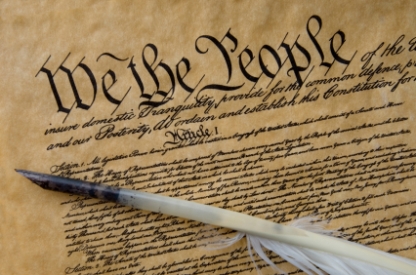
“We the People of the United States of America…”
So what do we do when our rights collide? Think about it. There’s approximately 314 million people in this country. That’s 314 million people from all over the world with vastly different opinions and preferences, tastes and traditions. The religion your family has devoutly practiced for generations is referred to as witchcraft by others. The clothes that you choose to wear are frowned upon by more conservative types. Your thoughts and beliefs are 180° from people you work with every day.
Who has more rights: you or me? You’re signing petitions to get my favorite show removed from the air. Do your rights go beyond not watching it? Do you have the right to have it removed from the air? Don’t I have the right to watch it? The music you buy offends some people. They work to have it pulled from the shelves. Your free speech is vehemently opposed by others, so they sue to have your rights rescinded. Who has more rights: the speakers or those who don’t want to listen?
“America isn’t easy. America is advanced citizenship. You’ve gotta want it bad, cause it’s gonna put up a fight.”
When I was in college, a 17-year-old went to a store in our city and bought music his dad didn’t approve of. Instead of being angry at his son, the father was incensed that music with explicit lyrics was for sale — anywhere. He started a petition, rallied friends & families and insisted that his 17-year-old son should not be tempted by this evil music. The store, an international chain, responded by pulling all explicit lyric music from its shelves. A journalist from our school paper wrote an article explaining how quickly we wouldn’t have any music left in the world following this trend. Trust me, no matter how much you love something, someone somewhere hates it.
Let your voice be heard on this important subject.
Who’s rights prevail when our rights collide?
How far do our rights go — to change the channel or have a show removed from the air?
International friends, how is this dilemma handled in your country?
In the mid-nineties, there was a trivia game called You Don’t Know Jack. As a trivia buff, I loved the game and even had it on CD-ROM (remember those?). OK, I also loved telling people, “You don’t know jack” when they answered incorrectly. Which brings me too…
Brandjacking. What is it? When someone hijacks your brand, either personal or business, in order to steal your thunder (and publicity) or to hurt your brand’s reputation. It usually happens online, especially on social media. The term is widely credited to Business Week, which used it in a 2007 article.
So what’s the problem? First of all, it’s desperate. You’re either trying to grab some cheap publicity from another brand’s (hard work &) success or trying to cause damage to someone else’s brand. Either way, you look bad.
Second, come up with your own brand. Put in the work to build your brand, formulate a strategy and put it into action. Don’t try to jump on someone else’s coattails to success without putting in the work.
Maybe I’ve just spent too much time working on companies’ brands and understand how much time, effort and money go into the branding process. As all of you fellow marketers and business owners know, it’s a lot of hard work. For someone else to benefit from that (outside of donated publicity for a non-profit or cause) is incredibly frustrating and annoying.
As a small business owner, my brands (personal and business) are my everything. I’m all in, as they say at the poker table. I’ve put every last chip I have into making Clearly Conveyed Communications work. For someone to come along and hurt my brand(s) would be a horrible blow.
As Tony Zayas so elegantly puts it on the Proforma blog, trust is the new business currency. If clients and prospects don’t trust you, they won’t work with you.
So if you think brandjacking is cool (or a viable marketing tactic), then you don’t know jack about branding.
The mic is yours…
Do you agree? Or is brandjacking a viable guerrilla marketing tactic?
Are there any brandjacking examples that you feel have been a success?