Be Grateful: Gratitude Is Good For You & Your Business

“Thank you.”

These two words are so simple yet so powerful. They can be the difference between a one-time customer and a loyal one, a vendor and a partner, a co-worker and a colleague.

It turns out that gratitude is not only good for you, but it’s good for business too. Showing gratitude to your customers, employees, vendors and partners makes them feel like they’re a part of something. They’re more engaged, more productive and more willing to go the extra mile for you.

“Foster an environment of gratitude across your organization. Gratitude in organizations is important—it can boost morale and increase productivity.”  –Carol Preibis, author & blogger

At CCC, we try to show gratitude every day. That’s what led to our 50 Things I’m Grateful For… series, where we list 50 things we’re grateful for every year on our blog and encourage others to do the same. It’s been fun to read your lists!

We publish our annual list at any time of the year, as it serves as a reminder to show gratitude throughout the year, not only around Thanksgiving.

Whether it’s saying a genuine “thank you” when an employee does his job well or surprising a loyal customer with a gift you know she’ll love, take the time to be grateful this Thanksgiving and every day. Sometimes, doing the right thing can also be beneficial for you. 🙂

What are you grateful for this Thanksgiving?


p.s. CCC is grateful to be spending time with our families on Thanksgiving, so we’ll be closed on Thursday. Happy Thanksgiving!


Thank you for your support!
Jaime

Let’s chat (about gratitude, turkey or otherwise):

Social Media Isn’t Easy: 5 Reasons Why It’s Worth It

Last week, we reminded everyone that social media isn’t free and recommended five ways to maximize your time and money. This week, we’re addressing another misperception.

How to become a SocialMedia Manager by Urs Steiner via CC BY 2.0


Social media isn’t easy, but it’s worth it. We’re not talking about the act of tweeting itself or posting pictures of your kids on Facebook or Instagramming every meal you eat.

We’re talking about getting social for business, engaging your brand’s communities and developing long-term emotional connections. In other words, creating fans for life.

Related Reading: How Long Does It Take for Social Media Marketing to Start Paying Off?

Here’s 5 reasons why social media is worth it for your business:

  • Find New (Targeted) Customers: In a sea of 2.03 billion social media users*, someone is interested in your products or services. Find the right audience by utilizing hashtags, groups and platforms they’re using.
  • Delight Current Customers: 65% of customers leave over a single poor customer service experience.* Delight your current customers by providing amazing service via social media and beyond.
  • Participate in the Conversation: Customers will talk about you online and share their experiences with others. While you can’t control the conversation,  you can participate and give fans a firsthand account of what’s going on at your company.
  • Deliver Content Straight to Your Fans: 61% of people are more likely to buy from a company that delivers content.* Deliver value to your fans by creating content they love, and you’ll have a better chance of converting them into customers.
  • Turn Fans into Fanatics: Consider this: 53% of people who follow brands on social media are more loyal.* After converting fans into customers, make them fanatics for your brand by delighting them every step of the way. They’ll become your best advertising!

As we said before, social media isn’t easy, but it’s worth it if you do it right. Just remember that it’s a long-term addition to your marketing mix, not an overnight savior for your sales.

If you need help with your social media efforts, from strategy to management, we’d love to chat. There’s nothing that we love more than brands getting social — and getting it right.

Get Social on Social Media

Why is social media worth it for your brand or business?

How much time do you spend on social in a typical week?

Do you have a documented strategy?

What’s your brand’s favorite social media experience so far?

*Statistics via The Inbound Marketing Checklist: 21 Strategies for Growth

Let’s get social,
Jaime

Let’s chat (about social media, strategy or otherwise):
Facebook logo Twitter logo Instagram logo Pinterest logo LinkedIn logo

Social Media Isn’t Free: 5 Ways To Maximize Your Time & Money

Social media isn’t free. There, we said it. It’s been said before, but no one seems to believe it. Even if you’re not advertising or boosting posts, someone (or multiple someones) is spending time strategizing, creating content, posting and engaging with community members. Or at least we hope they are.

How to become a SocialMedia Manager by Urs Steiner via CC BY 2.0

Social Media Isn’t Free

Time is money, something that entrepreneurs and small business owners say often but don’t usually take to heart. We try to race full speed ahead doing everything ourselves, trying to fit 30 hours of activity into a 24-hour day. That’s a poor long-term strategy that leads to burnout and failure.

How can you maximize your time (i.e. money) on social media?

  • Think before you post. In other words, spend time putting together a strategy before you rush into creating a presence on a social platform. Think about the resources that you have (time, money, staffing), and factor that into your decision. Research your buyer personas to see which platforms prospective buyers are on, and talk to your current clients about which platforms they connect with brands on. Focus on platforms that fit your business niche the best.
  • Take advantage of holidays, special events and trends. We’re NOT telling you to use unrelated hashtags or run a special on an inappropriate holiday. However, you can reach new audiences by tapping into the marketing power of Small Business Saturday or jumping on the popularity of a trending hashtag. Just make sure that it’s applicable to what you do like the example below.

  • Get mileage out of your content. Repurpose content to fit other platforms, and continue to keep popular content in the rotation. It’s OK (and a good idea) to share a hot blog post multiple times, depending on the platform. For example, Twitter is a higher volume platform than Facebook, so it makes sense to share the same content at different times in different ways (i.e. a quote from the post vs. a picture tweet). Track your results, so you can see what works best with your audience.
  • Curate, don’t create. While original content targeted to your audience reigns supreme, it’s difficult to produce enough quality content to satisfy your audience all the time. That’s where content curation comes in. Find resources who are creating quality content that delivers value to your communities, and share it with them. There are a number of tools available to help with content curation, including Pocket, Buffer and Flipboard.

Related Reading: 11 Content Curation Tools Every Marketer Needs

  • Spend your advertising dollars wisely. If you decide to advertise, put together a strategy first and review your options. What are you trying to achieve? For example, it may make more sense to boost a specific post showcasing what you do than advertising your Facebook Page in general. A Twitter Card may work better for you than a Promoted Tweet, depending on your objectives.

Social media isn’t free, but it is worth doing if you do it right. Figuring out your objectives first will help you determine how to proceed in the social landscape. If you have questions, let us know. From strategy to management, we’d love to help your brand get social — and see the results.

Get Social on Social Media

What social platform have you seen the best results on?

What’s your favorite content curation or social media management tool?

What holiday, event or trending hashtag have you tapped into with success?

Feel free to leave your social handles and/or URLs in the comments below, so we can connect.

Let’s get social,
Jaime

Let’s chat (about social media, content marketing or otherwise):
Facebook logo Twitter logo Instagram logo Pinterest logo LinkedIn logo

How Search Engines Work: An Infographic to Improve Your SEO

How do you find information today? Chances are, you Google it. That’s the same way that potential customers find information on your products and services. Will they be able to find you?

This handy infographic by the UAB Collat School of Business explains the science behind Google, as well as other search engines.

  • How do search engines work?
  • How can I improve my site’s rankings?
  • What differentiates Google from Bing and Yahoo?
  • Who’s Archie?!

”The

University of Alabama at Birmingham Online

Are you interested in improving your SEO? Check out our other posts on search engine optimization, including 5 SEO Techniques That Will Boost Your Web Presence, or contact us to discuss driving more targeted traffic to your website or blog.

What’s your favorite search engine?

What’s a product or service that your searched for online?

How did you find the CCC blog?

Thanks for visiting!
Jaime

Let’s chat (about SEO, your web presence or otherwise):
Facebook logo Twitter logo Instagram logo Pinterest logo LinkedIn logo

3 Simple Marketing Tips For Your Next Product Launch

Are you planning a product launch? How is your marketing plan looking? If you’re looking for some tips, then you’ve come to the right place.

We’ve helped startups launch new products over the years, and today I’m going to share three of the most successful methods I’ve seen.

Deadly Sins (Snowglobes), Pure Products USA by See-Ming Lee via CC BY-SA 2.0

Focus on your core

Just for a second, I want you to think about your general fitness and strength. If you are a little out of shape, what’s the one thing you can do to improve it? Strengthening your core is the perfect start, because it affects nearly every other part of your body.

Now let’s apply that analogy to your business. You have to focus on your core audience when planning your new product launch. Talk to them — and only them — in a way which they can relate. Your target audience(s) will give your product launch the momentum it needs to succeed. After the initial excitement, the rest will come to you easier, and you’ll see more sales.

Organize an event

It doesn’t matter whether you are selling a physical product or a service; a launch event can give you the initial boost that you need. Get in touch with your state or city business department and find out if there are any empty premises available.

Look for something striking, perhaps with exposed brickwork or beautiful features. Contact your local steel suppliers to find surplus floor plates for a modern, urban look. They’re good for safety, look fantastic, and can lead people straight into your main sales area. Let the local press know, and invite all your friends, family, and social networks.

Hire a local DJ to set the mood, and a caterer to provide hors d’oeuvres. It’s amazing what a little music and food can do for an event! The bigger buzz you create for your event, the bigger buzz there will be about your product. A launch night is all about adding that extra bit of pizzazz.

Make people an offer they can’t refuse

My final suggestion is to entice people to take action. You should be doing this as early as possible in the process. Advertise your product online, and let people know when they can expect to see it.

Encourage them to sign up by offering them a better deal — 25% off for example — if they give you their email address. Keep in touch with them and offer early access to anyone that wants it. Or you could give away early or exclusive access as a prize to help drum up even more excitement ahead of your launch. Early adopters are always eager to try new products and spread the word to their social circles.

As you get closer to launch day, ramp up their interest with more frequent emails. Don’t overdo it, though. When the big day arrives, relax and enjoy the culmination of your efforts. Best of luck with your new launches, and let us know how your big day goes!

What tip(s) would you add for a successful product launch?

What has been your favorite product launch to date (by you or another brand)?

p.s. Are you planning on launching a new product or service? Let’s discuss a plan to make your big day a success!

Thinking BIG,
Jaime

Let’s chat (about product launches, marketing your services or otherwise):
Facebook logo Twitter logo Instagram logo Pinterest logo LinkedIn logo

Essential Guide To Creating A Memorable Brand For Your Small Business

Branding is all about resonating with your target audience. If you want to cut through the incessant chatter of the online world or make an impact in the offline world, then your brand needs to say a lot about you.

But how do you go about creating a brand that both reflects what you do and that forms a connection with your customers? For small and mid-sized businesses on a budget, it’s a tough job. So we’ve put together this guide to help you find some answers.
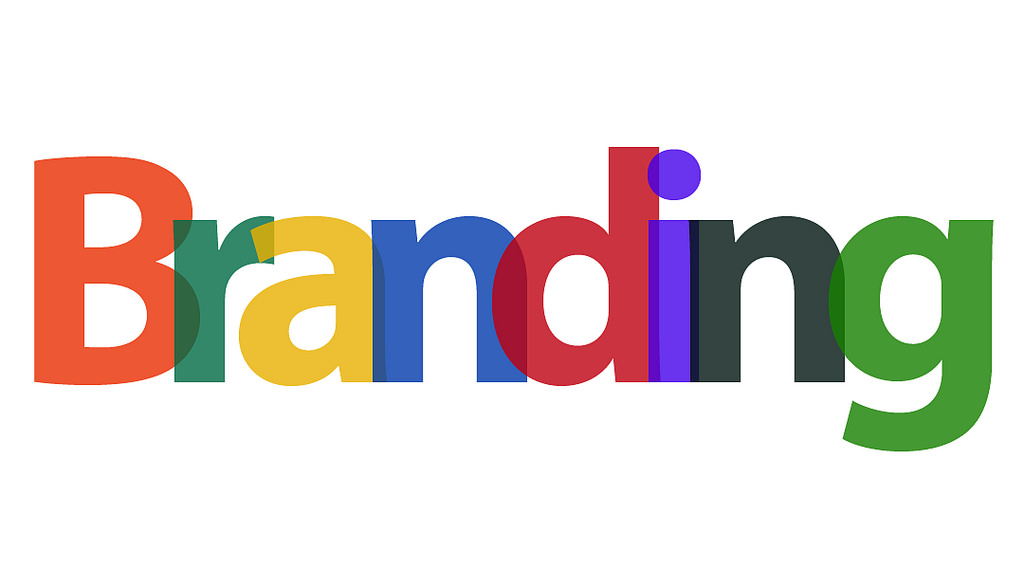
Branding by EdgeThreeSixty via CC BY 2.0

Ask yourself who you are

Be honest about your business and who you are. While some companies, such as legal firms and funeral homes, should stick with a serious or solemn image, others can go with a more lighthearted, cheeky or even humorous approach.

This is where small businesses have an advantage. We can position ourselves as local companies who are helping our local economies while battling corporate behemoths who are sending profits far away. This ‘us vs. them’ message can work well; check out the Brew Dog story for inspiration.

“Every brand has a story, and your story is integral to your success.”

Get your target audience right

To create a successful brand, you have to know who you are talking to, so researching your market is an essential part of the process. Find out who your customers are, what they do, and where they live.

Also, look at what they like and what encourages them to respond. What are their fears, hopes and dreams? Once you have learned enough about your target audience(s), you can create a tone of voice that connects with them.


Be consistent

Great branding is consistent. When people see your business, they should know exactly what to expect. So it’s important to reflect the same brand message throughout your organization. Make sure that employees, partners and anyone else spreading your message are using your tone of voice. Look at managed print services that can keep your marketing materials consistent. Give people what they expect, and they will continue to trust and work with you.


Be yourself

As a small business, you face disadvantages when competing against a national or global company. Don’t try to copy their branding and positioning, because you don’t have their resources to achieve the same results.

You have to look for a unique aspect of your business that differentiates you from your competition and let people know what that is. If they beat you on price, then offer value-added services that they can’t possibly match. There will be many things that you can do better than the big players, so figuring those out — and promoting them — is vital to your brand.

Related reading: Mad Men: Master Storytelling in Any Era


Don’t concentrate on winning new customers

Of course, bringing on new customers is always important, but as a small business it’s important to put more energy into retention. Your current clients are the people who buy from you already — and will be likely to buy more in the near future.

If you offer excellent service and forge long-lasting relationships with your current clients, you’ll grow your brand more than spending all of your time chasing potential new customers.

Related reading: Branding is a Feeling, Not a Noun

Do you want to create a memorable brand for your small business? Check out our other branding posts for tips and tricks or get in touch. We’d love to help you tell your brand story.

We give brands a voice,
Jaime

Let’s chat (about your brand, the art of branding or otherwise):
Facebook logo Twitter logo Instagram logo Pinterest logo LinkedIn logo

Specialized Services to Help You Run Your Small Business Smoothly

There are a variety of skills involved in running your own business, and so many to-do’s that it can get a little overwhelming. By using specialized services, I free myself up to concentrate on what CCC does best — help brands communicate with their target audiences.

Specialized services take care of the nitty-gritty and let me focus on being my own boss. I would recommend you try to do the same as much as you can. Here are a few services that can help you run your company smoothly.

11123538363_07bb05134a_b

Copywriting

Content marketing is all the rage these days, and this popular (and effective) form of marketing requires a lot of quality content. If you’re not a writer, then you’re going to want to use copywriting services, which are essential for producing excellent content and running a successful blog. You need to make sure that everything you produce is of the highest quality and originality, which can be difficult to achieve if you’re working on your own. You might not have the necessary skills required to be able to keep up with the content demand for your company, or you’d rather spend your time on what you do best. Either way, CCC would love to help with your writing needs.

The Power of the Pen: 5 Steps to Writing That Produces Results

Affiliate Marketing

At any stage, it’s essential to spread the word about your company and the products or services it offers. If you have recently started your company or are going through a rebranding process, it’s even more important. Most small business owners want to bring in more targeted leads and increase their client base, but this can be difficult to achieve while juggling the daily demands of running a business. One solution is to use affiliate marketing services. They allow you to gain exposure on other people’s websites and attract targeted leads, while still focusing on other areas of the company, such as wowing current customers.

“Either you run the day or the day runs you.”  -Jim Rohn

Appointment Reminders

As a business owner, you have to deal with a lot of appointments and meetings, some business-related, some not. One misstep and you can destroy your schedule for the day and a relationship for much longer. That’s why it’s important to use a service to help keep track of your appointments. Appointment reminder services send alerts directly to software that you already use. That way you never miss a meeting or appointment because you receive constant reminders of what you need to remember.

Jumping Off a Cliff: My 1st Year as an Entrepreneur

Being an entrepreneur or small business owner is a labor of love. Like you, I have poured so much into my business over the past three and a half years that it’s important to me that it succeeds. Succeeding in small business requires a lot of time, effort and money, but it’s worth it when you create a successful and professional brand.

Your Turn

What services help you run your business on a daily basis?

What advice would you give aspiring entrepreneurs or small business owners?

“There’s nothing small about small business.”

Jaime

Let’s chat (about small business services, your hopes and dreams or otherwise):

Facebook logo Twitter logo Instagram logo Pinterest logo LinkedIn logo

Boosting Sales 101: 5 Marketing Tips You Should Know

No matter what industry you work in, you need to make sure that you get the most out of it. Sometimes, it can feel as though your business is stagnating. Are you ready to boost your sales? Here are five marketing tips that can help.

"Handy Man" by Frankie Leon via CC BY 2.0

1) Come to grips with conversion rates

At first, the idea of conversion rates may sound a little tricky. It may surprise you to know that you can easily learn how to improve your conversion rate optimization. If you get help from an expert, you’ll see that it’s pretty straightforward. You don’t just want people to visit your site; you want them to (eventually) buy something! If they are just browsing, they are not making you any money.

2) Boost your social media presence

Social media sites can be excellent tools for businesses, yet many neglect them. If you want to make the most of your website, you need to share it on social media. Take a look at some of the best social media sites for online marketing. Once you have familiarized yourself with them, you can start to reap the rewards of using them. If it all seems a little confusing, don’t panic. It’s a lot to take in at once, so you need to take things slow. One step at a time, you will learn how to make them work for you.

3) Try direct marketing methods

Direct marketing is not as simple as it sounds. It means that you reach out to people in a face-to-face way. It might seem a little intimidating, but it doesn’t have to be. You could run a marketing event or attend a networking session. When you get into the habit of attending these types of events, you will see that they can make a major difference.

4) Chase repeat sales

When someone buys something from your company, the process should not stop there. You’re not looking for one-off sales; you need repeat sales if your business is to succeed. So, what should you do? Well, it’s all about building a relationship with your client base. They need to see you as more than just a vendor — you need to be part of their lives. Understand their biggest challenges and figure out how you can help them overcome these obstacles.

5) Research your market

How much do you know about your buyers? If you don’t do market research, you’re going to have a problem. There are always different business trends that you need to consider, and you need to understand who your ideal customer is. Spend some time each week doing a little research. When you get into this habit, it will pay off for your business in the long run.

It’s time to start putting these ideas to good use. If you change the way you approach your business, your business will change too.

p.s. Did you know CCC is Inbound Certified? Let’s talk about how we can help you attract the right customers, not more empty leads.

All about Inbound,
Jaime

Let’s chat (about Inbound marketing, conversion rates or otherwise):
Facebook logo Twitter logo Instagram logo Pinterest logo LinkedIn logo

4 Digital Marketing Trends That Will Dominate 2016

I know, I know; 2015 isn’t even over yet, and we’re already talking about 2016. Digital marketing trends move fast, so you always have to look at what’s next to stay ahead of the game and start adapting your strategy early. If you can pinpoint the major marketing trends of the next twelve months, you can begin budgeting for the change, and subtly change direction now. Take a look at these four new trends, and think about how you can move towards them.

United Nations of smartphone operating systems by Jon Fingas via CC BY-ND 2.0

1) Mobile and location-based marketing

Mobile growth had an important year in 2015. At the start of the year, mobile browsing finally overtook desktop and laptop browsing. More people are using mobile devices to get online than any other technology, a trend that is expected to continue to grow in 2016. We’ll also start to see wearable technology find its feet and establish itself, which means coming up with unique location-based marketing strategies. How can your company harness your customer’s location to its benefit? Finally, it’s time to start thinking seriously about developing an app.

2) Long-term relationship building

Until now, digital marketing has focused on short-term success. It’s been all about hitting certain numbers of Facebook fans or Twitter followers, and making quick, easy sales online. After all, the Internet provides a forum for real-time conversations with customers and prospects 24/7. The most successful marketers are slowly realizing that a more traditional approach might actually be more cost effective. By nurturing customers for longer, they can double or even triple their sales over time. Start thinking about a way to retain customers, and make the second, third, and fourth sale.

3) SEO is more important than ever

It’s no secret that Google is always updating its algorithm. Every year, the search giant introduces a new change, and every year, it gets smarter. That means your SEO strategy needs to change and adapt alongside it. We asked the experts at Pay On Performance about what SEO will look like in 2016, and here’s what they told us. First, we’ll need to be more careful and targeted with our keywords. Don’t add redundant or unrelated keywords to pages and posts, and focus on long-tail keywords for more traffic. We’ll also need more organic and natural back links to bring more visitors to our sites and blogs. Finally, we’ll need to focus even more on producing quality content and new metrics like ‘time-on-site’ and engagement. That’s what Google is looking for in 2016.

4) Social media is expanding

If 2015 proves anything, it’s that social media isn’t going anywhere. Many predicted that Facebook’s bubble would eventually burst, but it shows no signs of slowing down (although Twitter has hit a stumbling block). In 2016, Facebook will integrate itself even further into our lives, but it doesn’t end there. Instagram and Pinterest have posted enormous growth figures in 2015. Statistics also show they have much higher rates of engagement and drive more sales. These two platforms will be critical for you next year, so start building a strategy now.

Taking note of these trends now will help you get a head start on next year! Where do you think digital marketing is heading? Please share your thoughts in the comments below.

Are you thinking about adding new platforms into your social media mix? Does your digital marketing strategy need an overhaul? Let’s talk, so we can put together a plan for you.

p.s. Wednesday, October 21st is ‘Back to the Future’ Day. What technology from the 80s blockbuster do you wish we had today?

Riding my hoverboard to 2016,
Jaime

Let’s chat (about digital marketing, flying cars or otherwise):

Facebook logo Twitter logo Instagram logo Pinterest logo LinkedIn logo

Awesome Marketing Concepts Your Small Business Shouldn’t Overlook

Marketing a new company can be tough. You don’t know the best ways of reaching your audience in the beginning, and discovering the best promotional ideas involves a process of trial and error. While the digital landscape is a hot property, traditional marketing vehicles can still work in today’s high-tech world.

Business Cards

As the infographic below shows, business cards are (still) effective marketing tools. They help you make a good first impression, and ensure you stay top of mind with clients and prospects. Most people keep business cards they receive for future needs. While it’s tempting to go all digital, a well designed business card printed on quality stock can open up a world of possibilities.

Billboard Advertising

Admit it; we all look at billboards on the side of the road. Most people think advertising on one is expensive, but billboards (or outdoor advertising) are surprisingly affordable. In fact, you can usually get one for a few hundred dollars or less. Thousands of drivers could encounter your brand who otherwise would not, and it’s a great way to expand your local reach.

TV Advertising

Ten years ago, only the largest companies could afford to pay for TV ads, but changes in the industry have forced networks to lower their prices. Businesses can now advertise on TV for less than $5,000, depending on your market. The drop in price, additional time slots and regional availability have opened the door for small businesses to compete with larger companies in this popular arena.

These marketing concepts could provide a boost for your company if you give them a shot. If your business serves a niche market, remember to target your marketing campaigns accordingly. Think big, and your company will do amazing things.

Enjoy this Business Card Must-Haves for Effective Networking infographic, and feel free to share with your clients, co-workers and fellow business professionals.

Do you carry physical business cards?

What traditional (or old school) marketing technique has worked for you?

What’s your favorite way to network?

A (business) card carrying small business owner,
Jaime

Let’s chat (about marketing, business cards or otherwise):
Facebook logo Twitter logo Instagram logo Pinterest logo LinkedIn logo


Infographic Designed By http://www.allbusinesscards.com/